
We’ve all heard the phrase, “It’s not whether you win or lose, it’s how you play the game.” While a good sentiment, it often feels a little hollow when you’ve just come off a tough loss. But what if we told you that the true power of youth sports goes far beyond the scoreboard, embedding lessons that last a lifetime?
At Suns Initiative we firmly believe that sports are not just about physical activity; they are a powerful vehicle for youth empowerment. When a young person steps onto a field, a court, or a track, they’re not just playing a game – they’re stepping into an arena of growth, learning, and self-discovery.
What is Youth Empowerment Through Sport?
Empowerment, in essence, is about giving individuals the tools, confidence, and opportunities to take control of their own lives and make decisions that affect them. For youth, this means fostering independence, self-efficacy, and a sense of belonging.
Sports, uniquely, provide a dynamic environment where these qualities can flourish naturally.
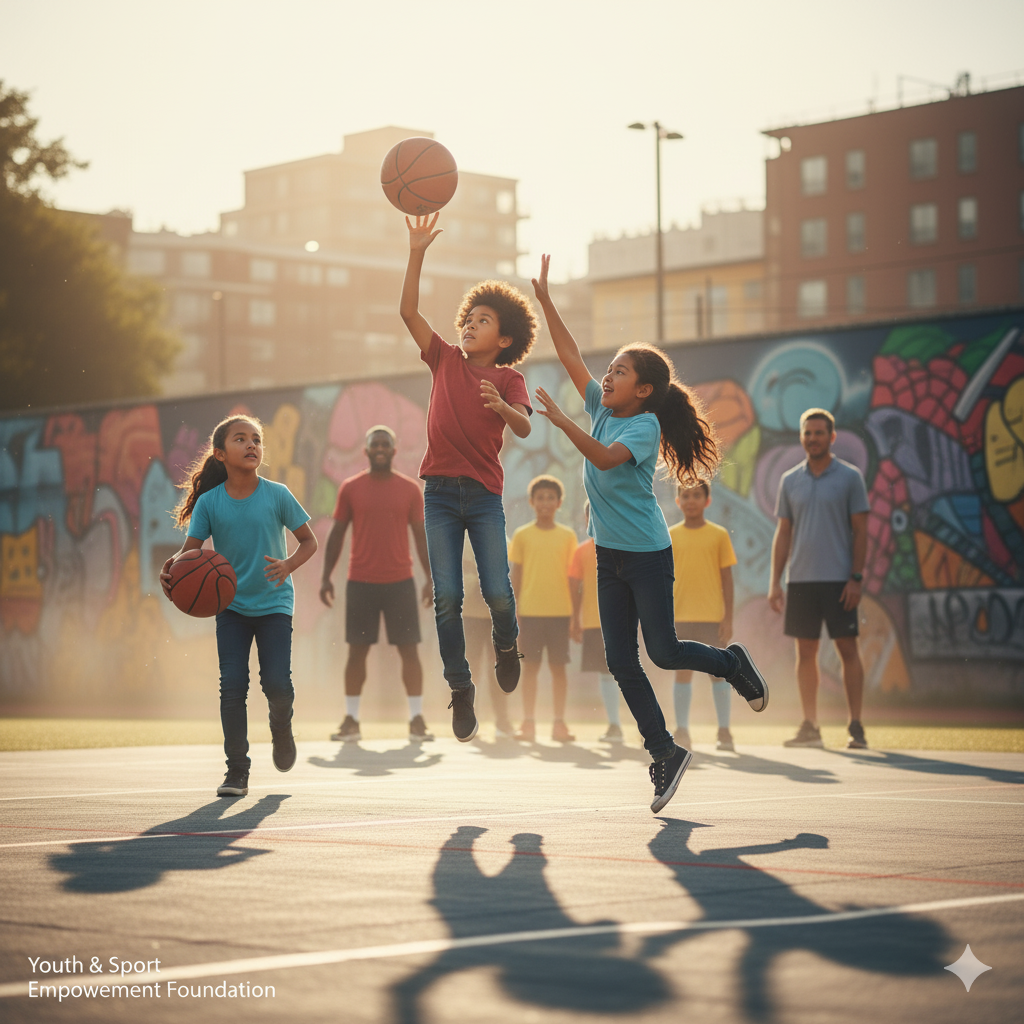
The Core Pillars of Empowerment Forged on the Field:
- Confidence & Self-Esteem: Every successful pass, every well-executed play, every personal best achieved contributes to a child’s belief in themselves. They learn that their efforts yield results, building a strong sense of self-worth that extends beyond the game.
- Teamwork & Collaboration: In team sports, children quickly grasp that individual success is often tied to collective effort. They learn to communicate, compromise, and support their teammates – essential skills for any future endeavor, from school projects to the professional workplace.
- Resilience & Grit: No athlete wins all the time. Losing, making mistakes, and facing setbacks are integral parts of sport. Through these experiences, young people learn to cope with disappointment, adapt, and persevere. They discover the invaluable lesson that failure is not the end, but a stepping stone to improvement.
- Leadership & Responsibility: Whether it’s being a team captain, encouraging a struggling teammate, or simply taking ownership of their role, sports provide countless opportunities for youth to develop leadership skills and a sense of responsibility.
- Discipline & Goal Setting: From showing up on time to practice, to mastering a new skill, to committing to a fitness routine, sports instill discipline. This discipline naturally leads to setting and working towards goals, a fundamental life skill.
- Physical & Mental Well-being: Beyond the character-building, the undeniable physical benefits of sport – improved health, strength, and coordination – contribute significantly to mental well-being, reducing stress and fostering a positive outlook.
More Than Just Playing: The Role of Accessible Programs
The magic of sports empowerment isn’t automatic. It requires access to safe spaces, quality equipment, and, most importantly, dedicated coaches and mentors who understand their role goes beyond tactics and drills.
Nice post